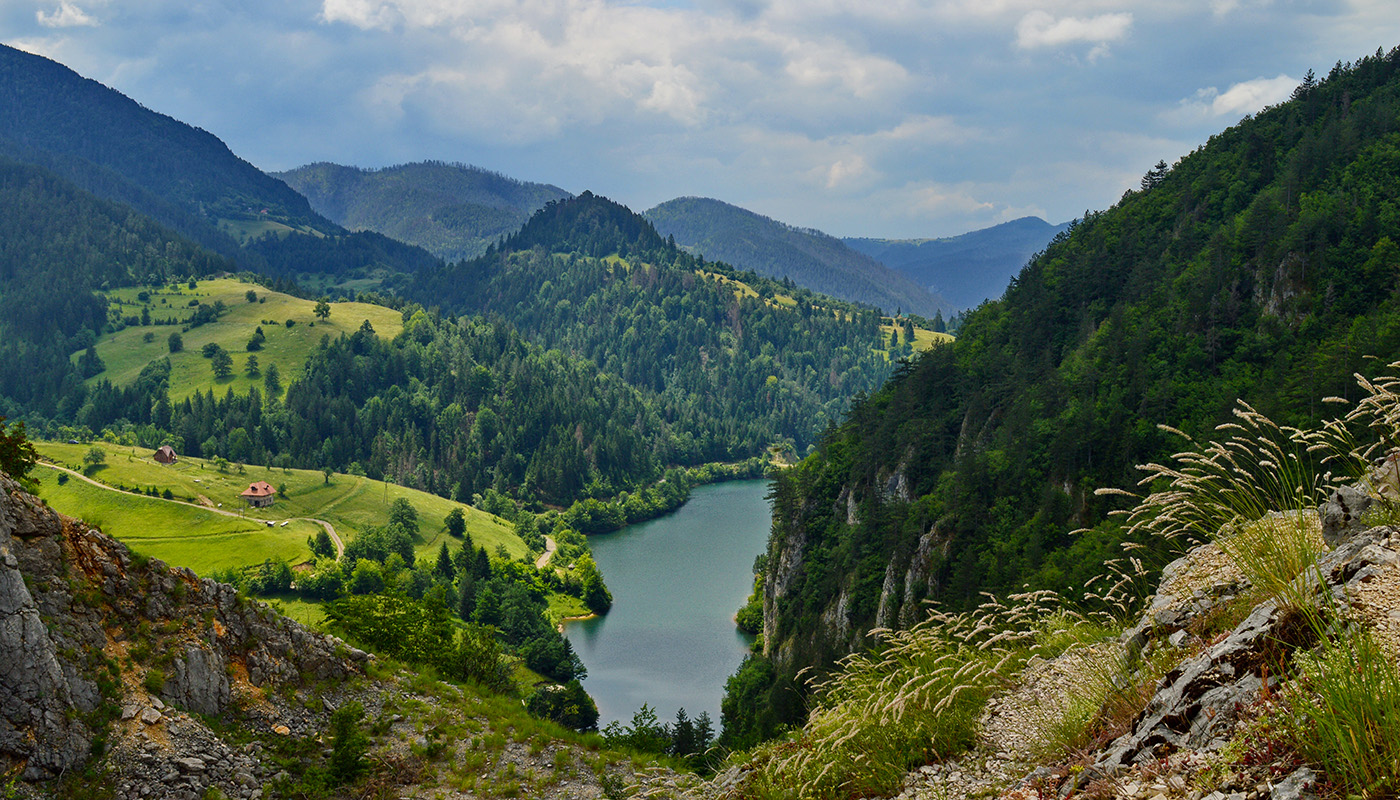
The mountain takes its name from the god Tar, who, according to legend, chose this mountain to spend his life. Tara has an average elevation of 1,000–1,200 metres, and its highest peak, Kozji rid (Goat Ridge), rises to nearly 1,600 metres.
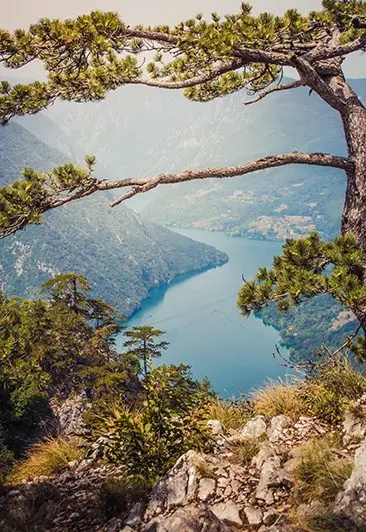
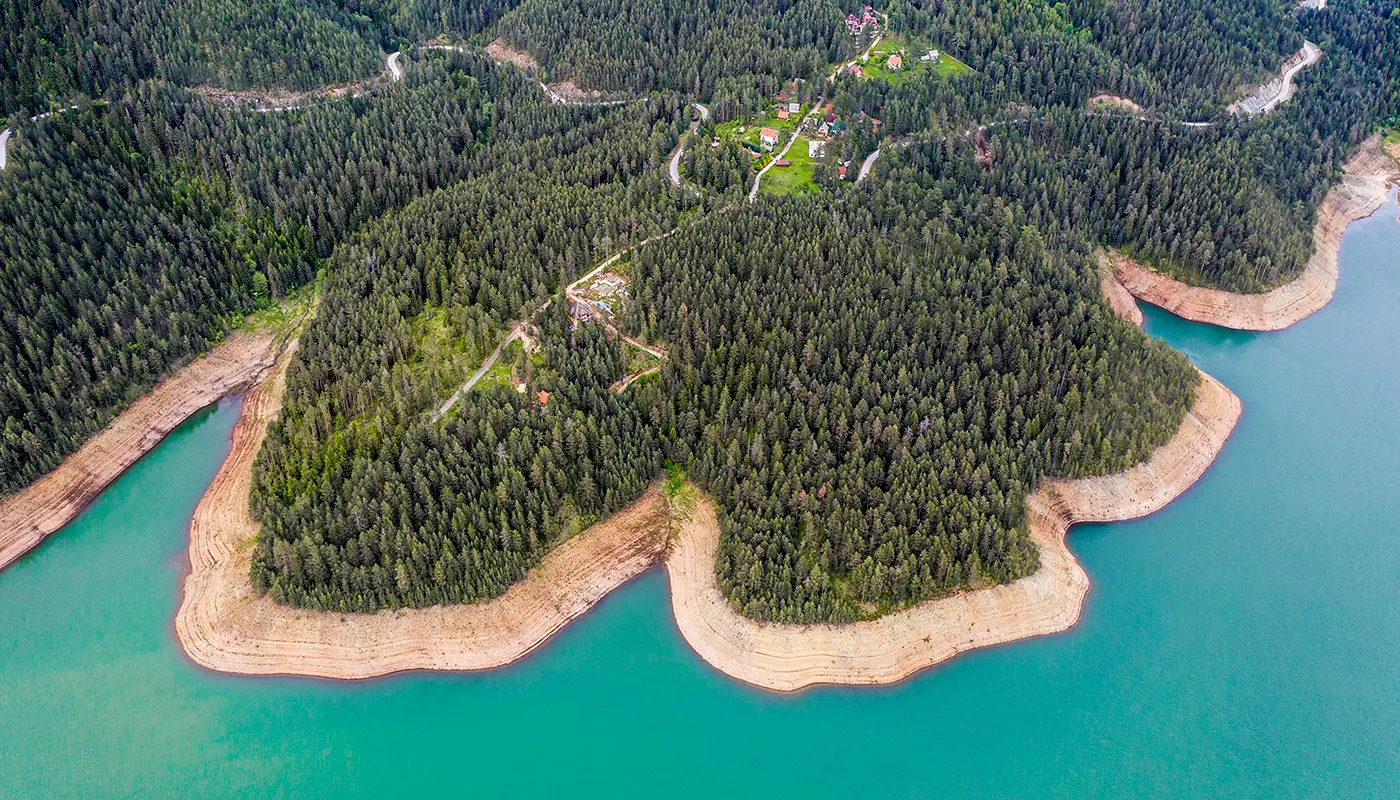
Vast forests, the spectacular Drina river canyon, an artificial lake and a wide variety of wildlife together create a truly inviting landscape across the Tara range.
Such is its beauty that Tara draws visitors back again and again, with each return revealing something new and worth discovering.
Of all the species that grow here, the most striking is the Pančić's spruce (Picea omorika), a tree native to Mount Tara and named after the famous Serbian botanist Josif Pančić, who first described it.
Nature
The rugged cliffs of Tara are covered with dense forests, meadows and clearings, home to a wide range of plants and animals.
Of all the species that grow here, the most striking is the Pančić's spruce (Picea omorika), a tree native to Mount Tara and named after the famous Serbian botanist Josif Pančić, who first described it.
The diversity of the local fauna and the well-preserved vegetation have earned Tara the status of a national park — it shelters many species, including the brown bear, the chamois, the western wood grouse and the golden eagle.
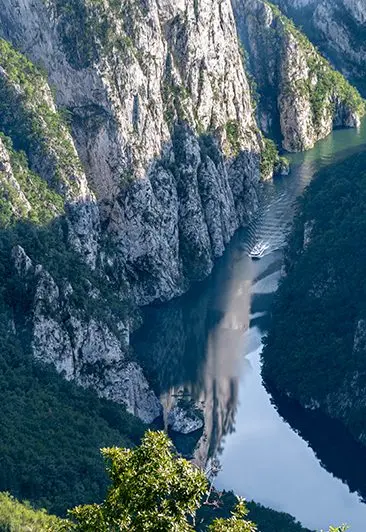
The Drina canyon and the Perućac reservoir form a natural barrier in the area; thanks to its rich variety of fish, this is also a popular spot for angling. In fact, the largest catches of huchen (Danube salmon) and catfish on record were made here.
Facilities
Visitors to Mount Tara will find accommodation at its two tourist centres, Kaluđerske bare and Mitrovac.
At Kaluđerske bare a small sports field, tennis courts, a children's playground and walking trails offer plenty of leisure options.
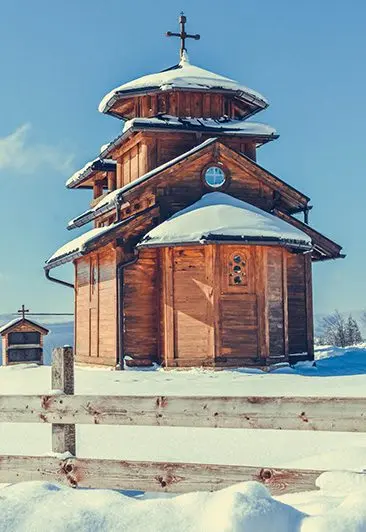
If you enjoy any kind of riding, in warm and dry weather you can take part in horseback training on Tara. In the cold season, lovers of winter sports have a choice of two ski slopes for unforgettable days in the snow.
Mitrovac is family-friendly, with football and basketball pitches set up specifically for children. They can also start out on the beginner ski slope and try their first runs.
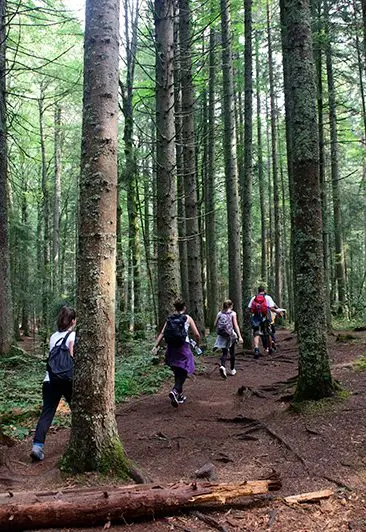
An extensive network of hiking trails leads through the most beautiful landscapes of the mountain. You can also explore them by mountain bike.
In summer, be sure to visit Lake Zaovine and Lake Perućac — both are good for swimming and for getting out on the water.
An extensive network of hiking trails leads through the most beautiful landscapes of the mountain.
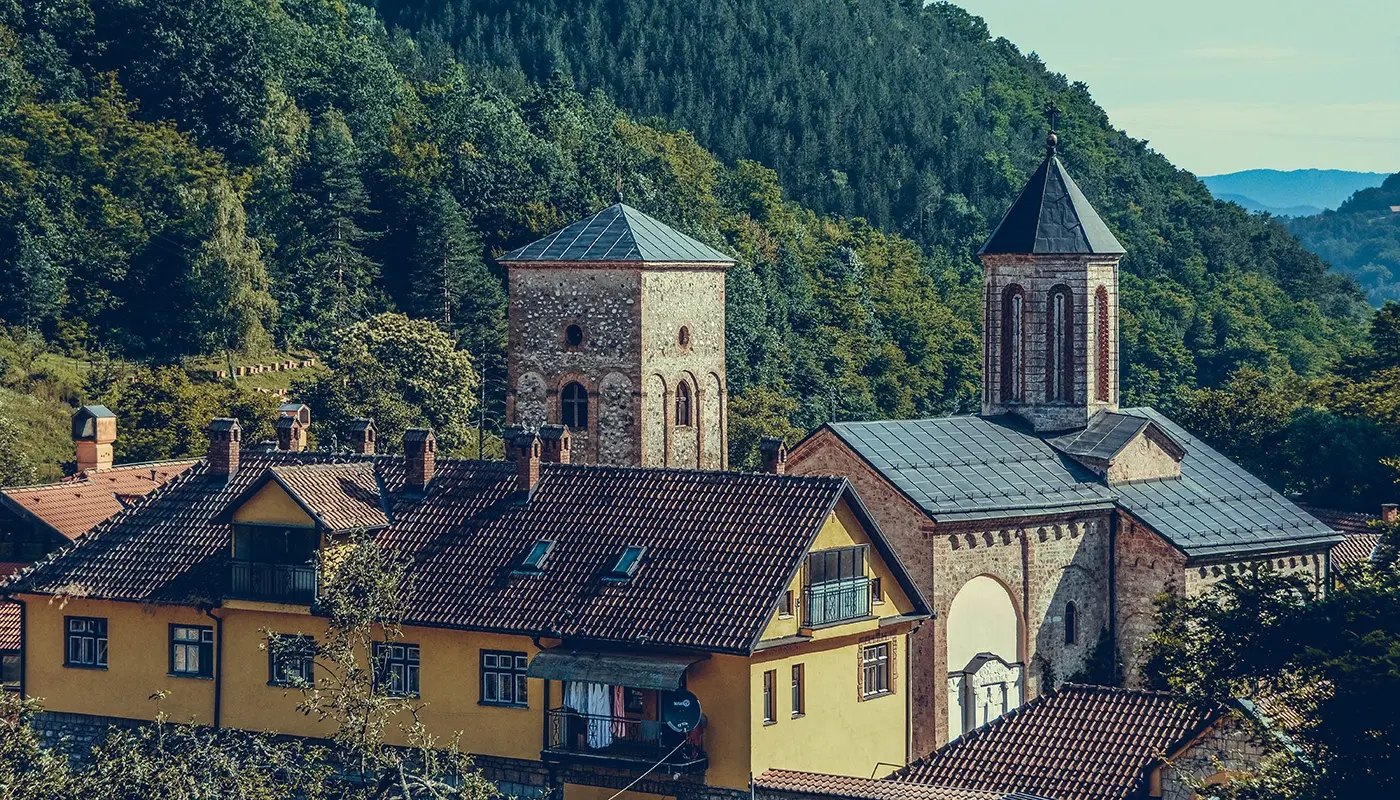
Several mediaeval sites are scattered around the area, the most striking of which is Rača Monastery, founded in the 13th century.
Landmarks
At the Mramorje site near Perućac you can see the "stećci" tombstones inscribed on the UNESCO World Heritage List.
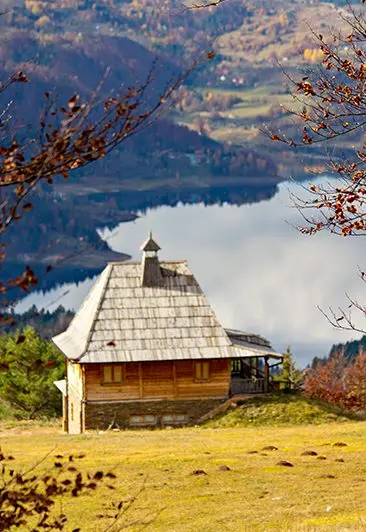
For a closer look at the traditional way of life in this region, visit the ethno-household at Kaluđerske bare. In the authentic atmosphere of a country cottage in the village of Zaovine you can taste local milk, cheese, kaymak (clotted cream) and meat.
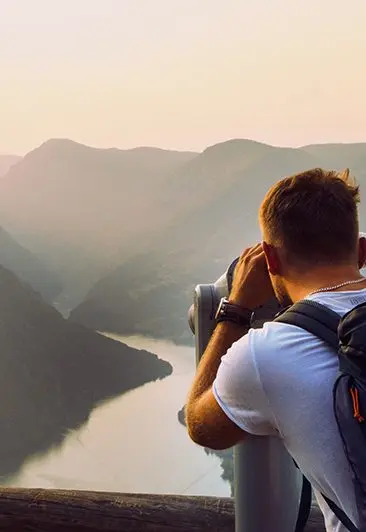
Those with a taste for adventure can paddle a kayak down the emerald waters of the Drina, or join the famous Drina Regatta alongside thousands of enthusiasts from around the world. Nature lovers can take in the views from three lookouts — Burovo brdo, Banjska stena and Bilješka stena — with sweeping panoramas of this beautiful river canyon.