Niš takes pride in its culinary tradition, with first-rate restaurants serving traditional local cuisine, so for visitors an evening out at a local tavern is a must.
Especially worth seeking out are the restaurants in the old artisan quarter, which still preserves the city’s old bohemian atmosphere intact.
Southern Serbia is famous for grilled meats, including the traditional skewers known as ćevapčići, steaks, sausages, pork chops and more, served alongside delicious homemade bread, fresh salads and stuffed peppers.
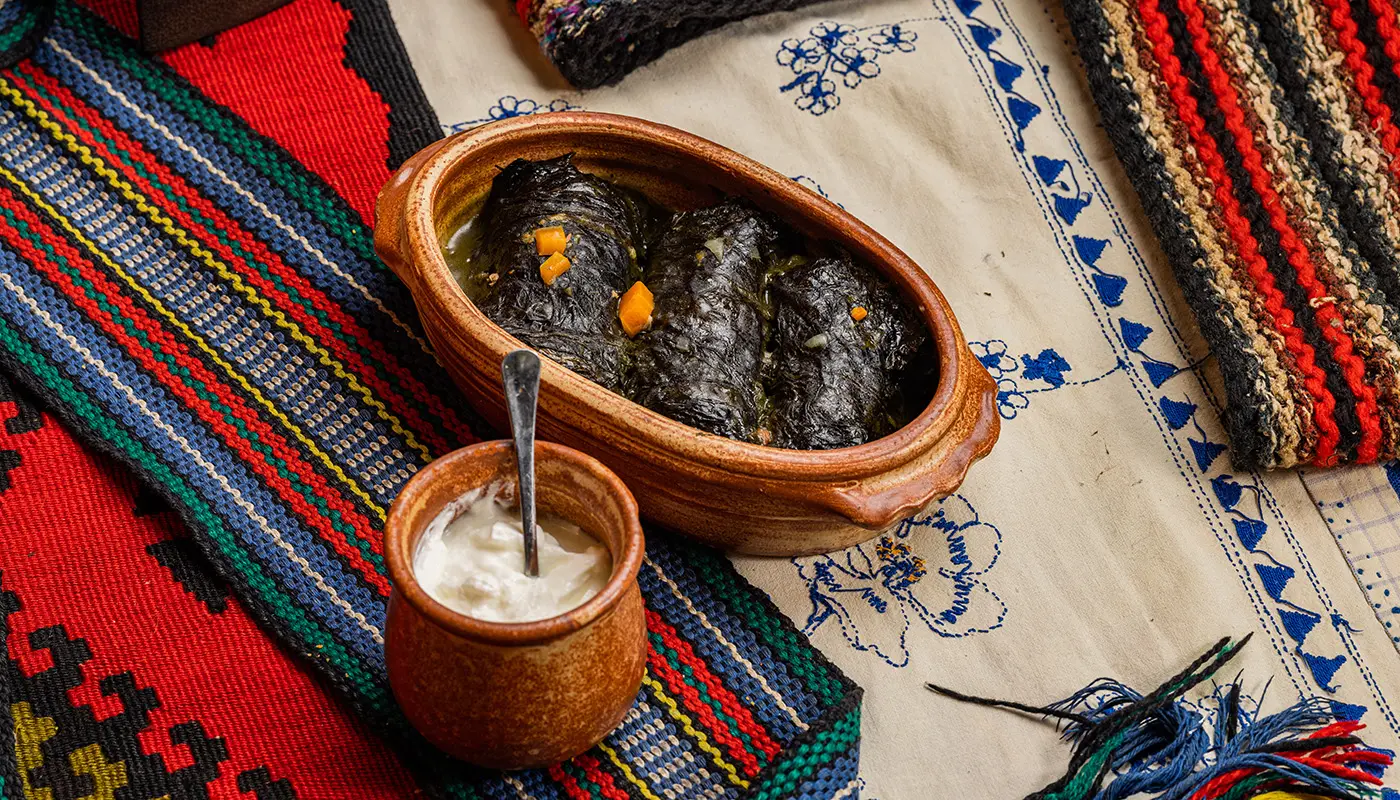
One particularly popular way of serving food is called “the food train.”
One particularly popular way of serving food is called “the food train,” as if the kitchen were continuously sending out small plates one after another. The meal opens with bread, local cheese, Sukana pita cheese pie, a cheese salad (made with cheese and peppers) and dips, followed by traditional soups. The main course is a parade of local favourites such as veal tail, sarma (cabbage leaves stuffed with lamb) and pasulj na tavče (a bean stew), and the meal closes with orasnica (a sweet walnut cake) or baklava prepared in the traditional way.
Burek is another local speciality — a savoury filled pastry of meat and cheese, typically eaten for breakfast. Burek is so beloved that every August the best pastry masters from across the Balkans gather in Niš for the Burek Day Festival, known as “Buregdžijada.”